

Intermittent Retirement
Pam and I want you to go have some fun.
My mom claims to have come up with the term “intermittent retirement.” I gave it a google, and it’s certainly an idea that has made it into the lexicon, likely popularized by author Tim Ferriss. But I say we give my mom credit, too, because she’s a smart gal who put the idea into practice.
Let’s start with a definition:
Intermittent retirement (n): planned temporary breaks from work.
We also like the definition of intermittent: something that stops, starts, and starts again, occurring at irregular or regular intervals rather than continuously.
So, intermittent retirement is be a lifelong practice of stepping away from our routine, comfort level, or daily grind. It’s taking breaks, pauses, or adventure to expand and supplement our lives. It’s taking the concept of retirement and redistributing it - with some strategy - to all life stages. These pauses or breaks can look a million different ways: they can involve our work or not. They can be focused on rest, education, or adventure.
** Note: This post was co-written with my mom, Pam Rybus. Her direct quotes are in Italics, but we wrote the bulk of the text together.
The basics.
We all know our systems are silly. They don’t make sense. It’s lame that most Americans just have weekends off. It’s absurd that we have to ask for time off to care for sick relatives or children. It also doesn’t make sense to save up all our leisure, adventure, and rest just for our elder years. Aging bodies can be many different things: we may age with enough energy for the retirement we envision but it’s also possible that retirement could align with physical, cognitive, or mobility limitations. Or, as my mom says “you could croak before you get to enjoy it.” She’s right! We could croak at any time.
There’s also a difference between self-care and intermittent retirement. Self-care is small, daily habits. Intermittent-retirement isn’t something we can do every day, it’s a larger goal for a meaningful step away from work and routine. It’s not something that is available to all people at all times of life, but it’s something we may want to plan or save up for. And we can advocate for it to be more accessible for all of us. We can cheer people on who decide to go for it.
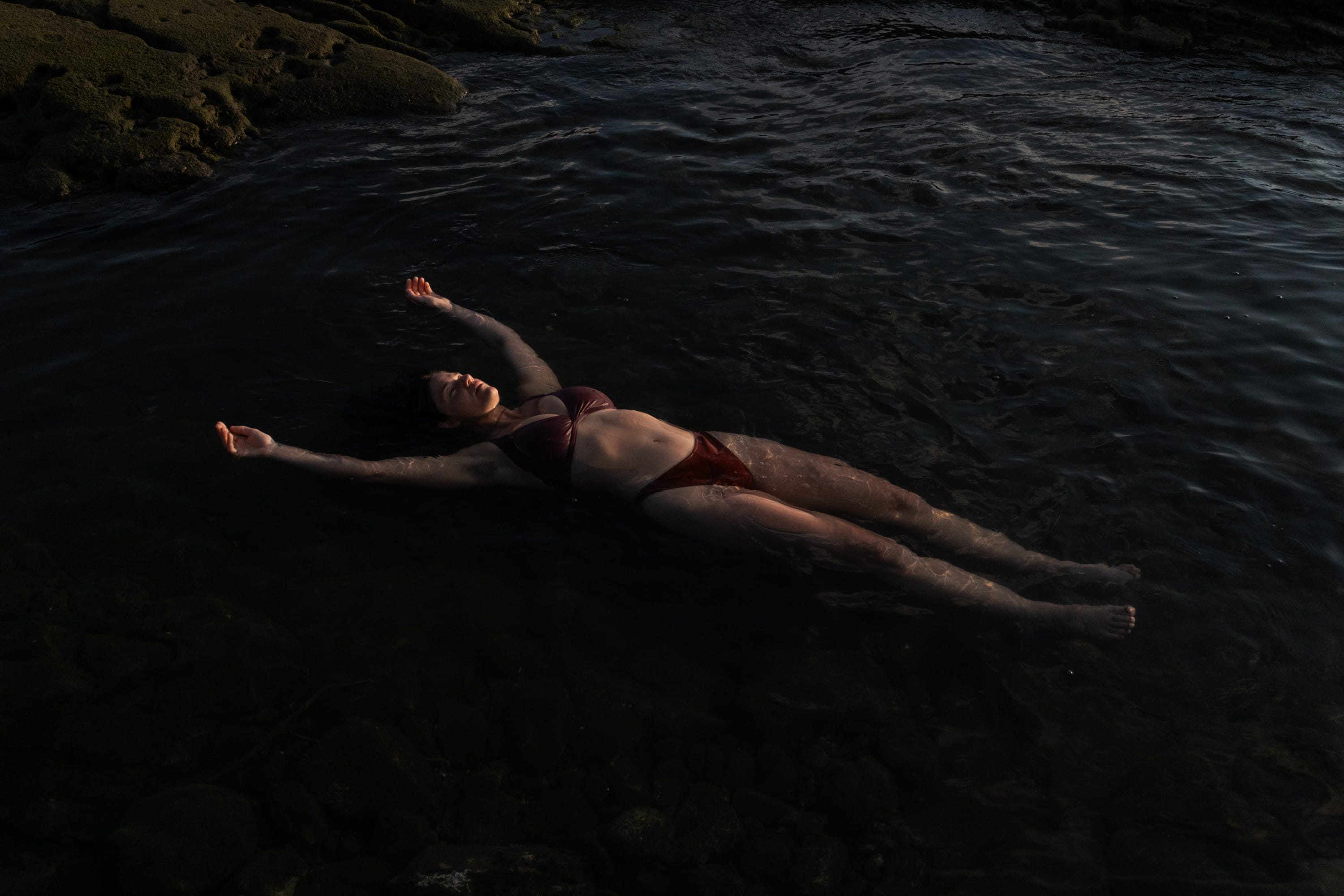
So, retire as you can. Even just a little bit. Intermittent retirement is a permission slip or a strategy to take some breaks and get out there. Spend your weekend leaving dishes in the sink so you can go skiing or surfing. Lay on the couch with a book for a whole afternoon. Take the vacation or road trip. Work overseas or do a house swap. If it’s what you need to do and you can, quit the job that makes you feel so rotten. There are plenty of forces telling us not to do these things, so let this post be a counter-force.
What are some examples of intermittent retirement?
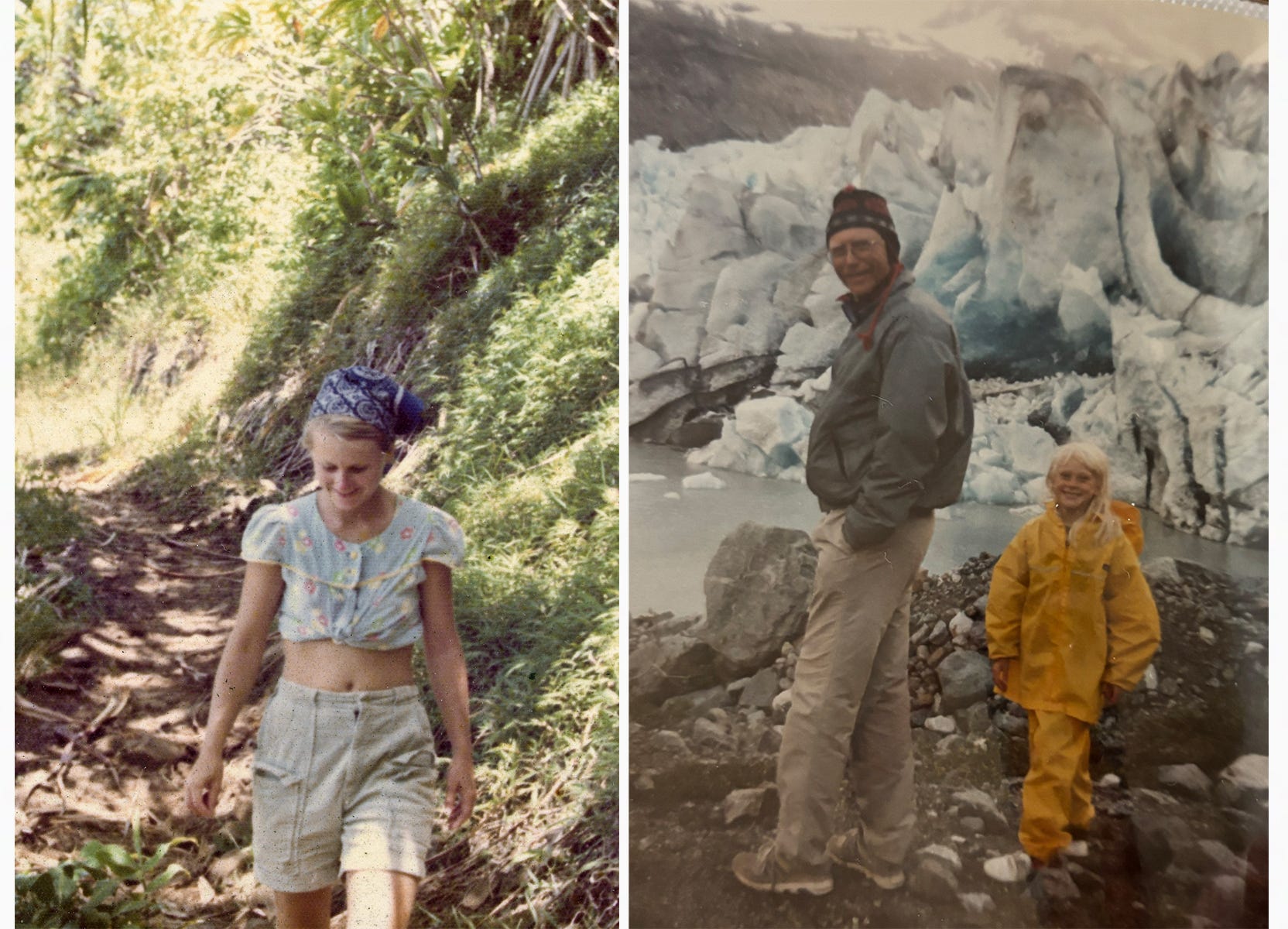
My mom and dad were both school teachers. This provided both opportunities and challenges. They had a very limited budget. But, they also had summers off and the same school vacations that I had. Often, for Christmas and spring breaks, we’d hop in our Dodge Caravan and head South from Idaho to the desert or North to the mountains. We’d backcountry ski, mountain bike, sea kayak, etc. They also found teaching jobs overseas, working in the Netherlands, Northern Japan, and Berlin. My parents also had a deal in which they each did annual trips with their friends: my mom went kayak camping with her girlfriends, my dad skied into yurts with the other old hippies. As they aged and later retired, they bought a camper van and took long road trips. At this point, my dad had limited mobility to do the things he loved most: ski, bike, hike. So, they had the van.
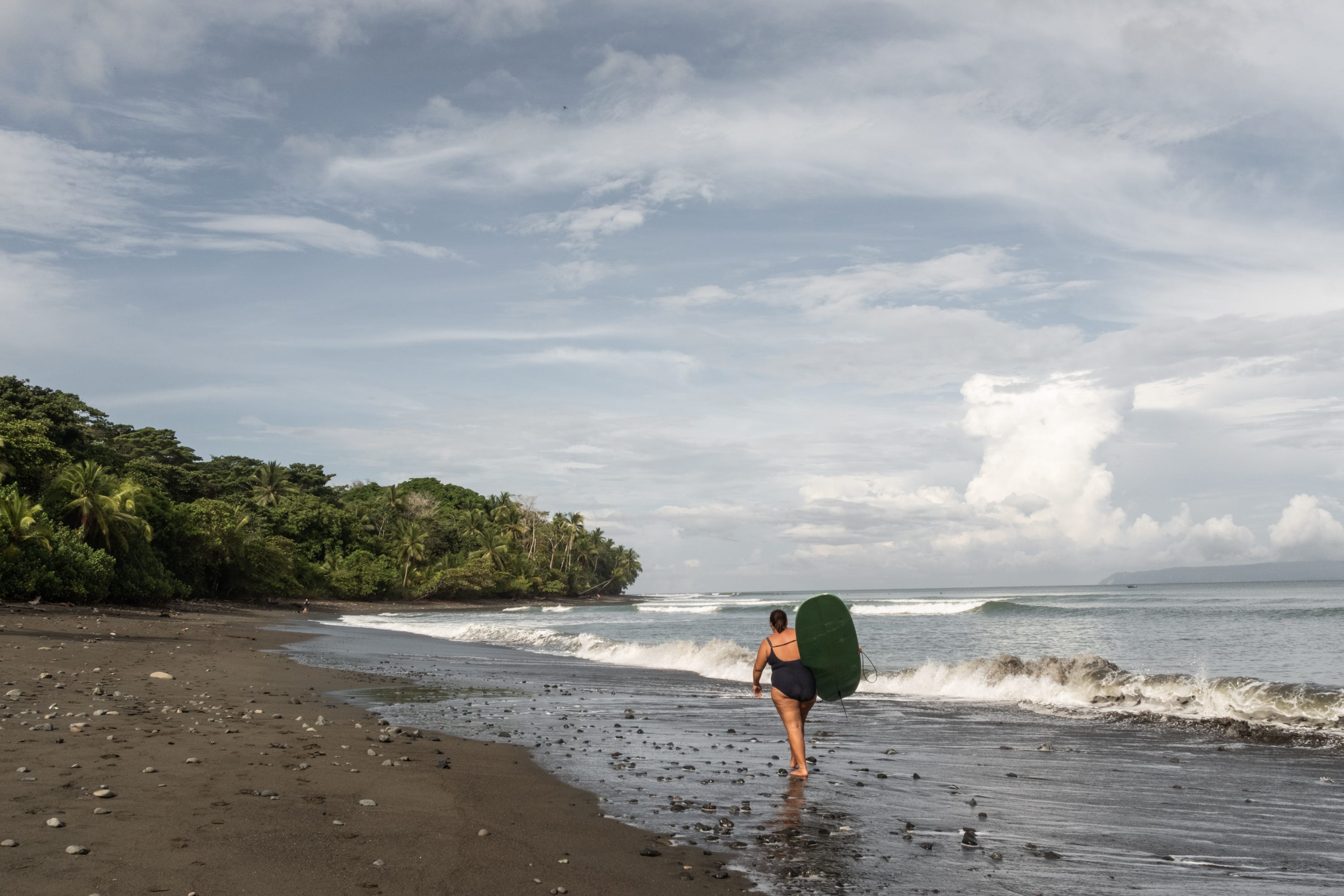
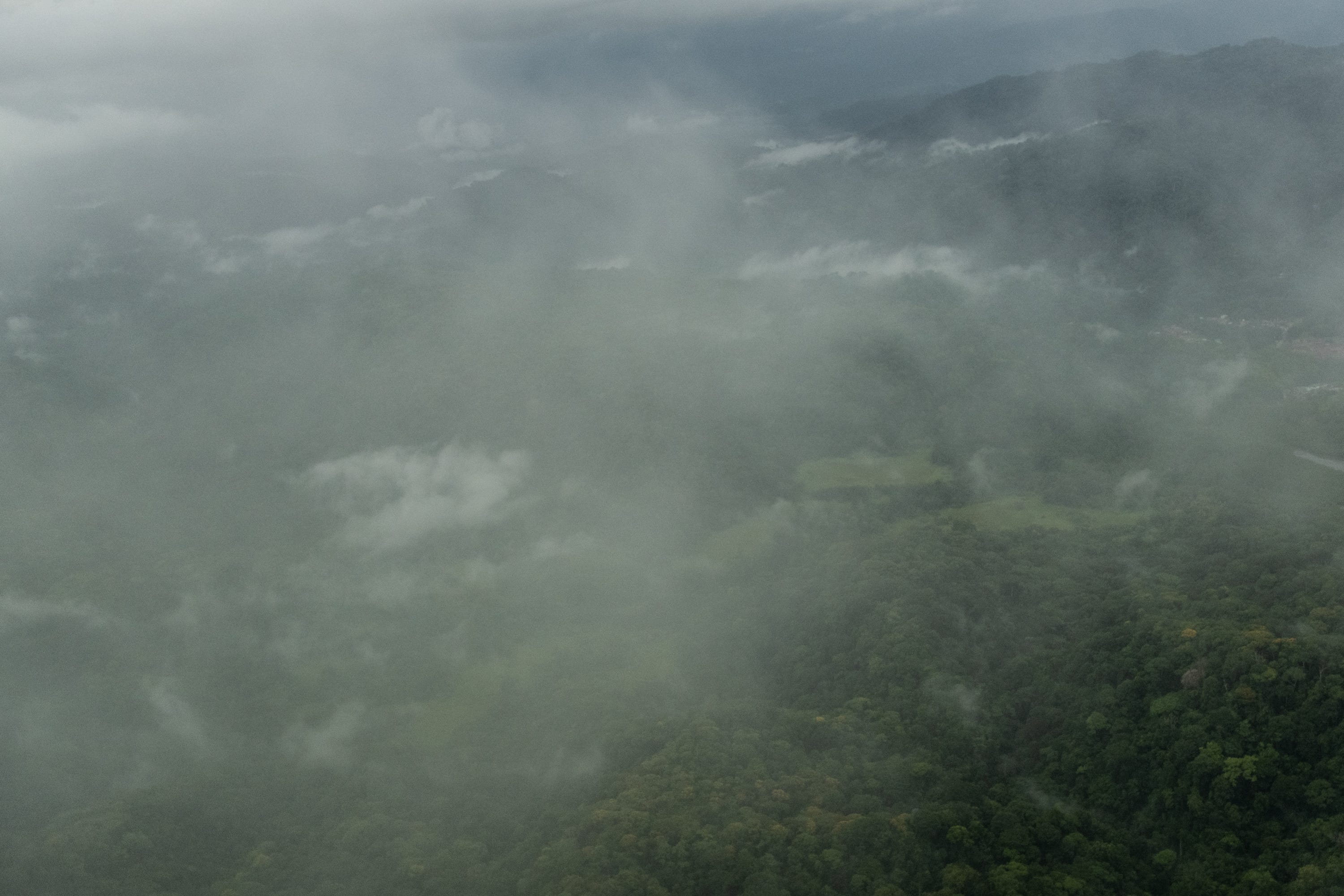
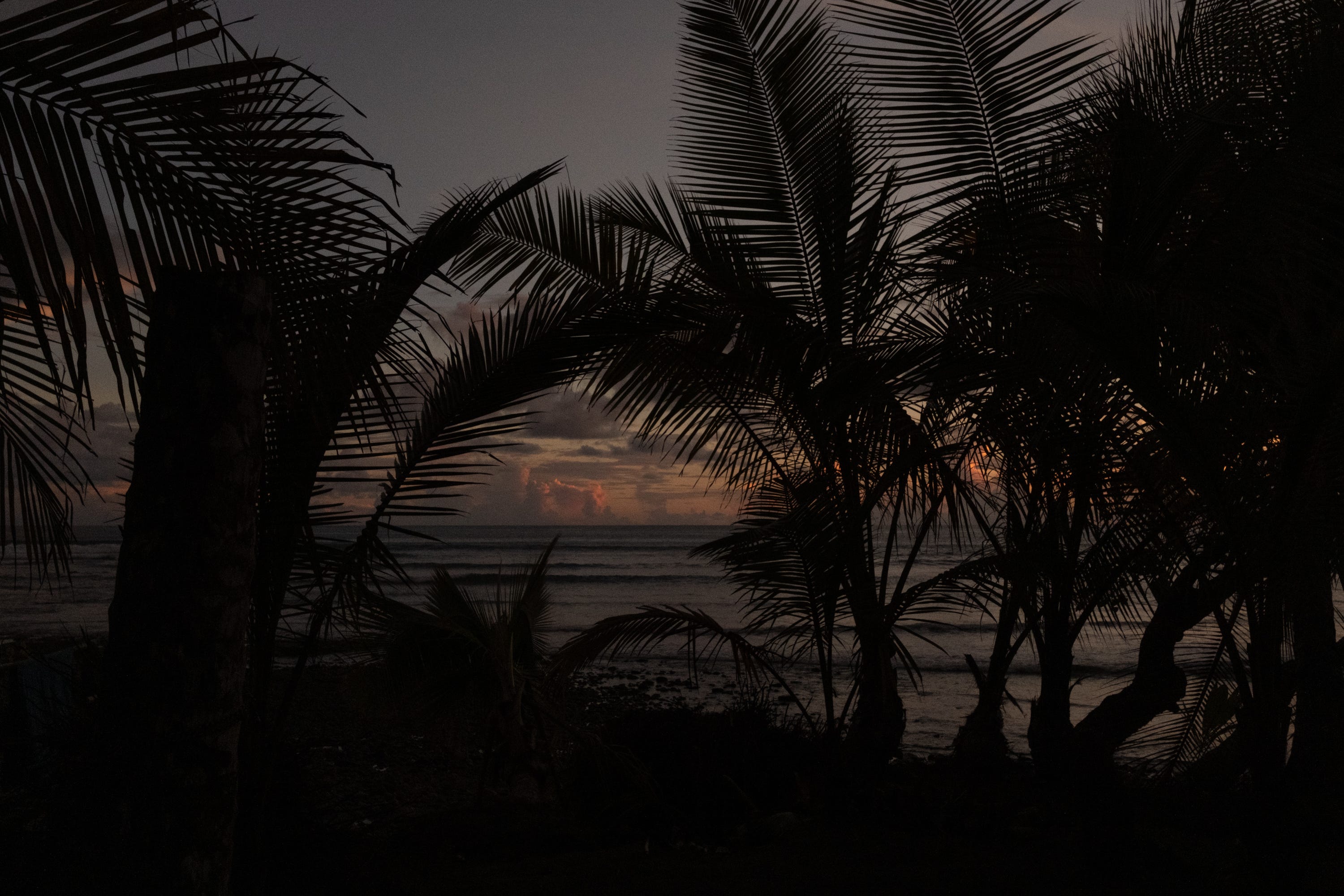
It strikes me that the version of intermittent retirement I’ve landed on is a lot like my parents decision to teach internationally: we found ways to make our work part of the adventure. My assignments and projects get me out in the world in ways that feel deeply, albeit irregularly, satisfying. When I was in college, I did seasonal jobs in beautiful places each summer, waiting tables and living in a tent or employee housing. For many years, I took a month off each spring to do arts residencies. For a while, my goal has been to get better at including rest and leisure in my life. I try to dip at our swim spot on long editing days in the summer or give myself a little time to read before the day begins. I just went on my first surf trip in Costa Rica with my friend Molly, and it reminded me of how important this concept is. I worked my surf skills, having to start over from the beginning but learning enough to feel a bit of bliss in the water. I got to be with my friend and make new friends. My nervous system finally calmed. I left committed to doing a surf trip every year, committed to giving myself some space to keep learning.
When you travel, you’ll meet other travelers who have figured out ways to make it work. My friend Meagan, a restaurant manager, saves up money to regularly quit her job to spend months adventuring. My friend Tasha took a teaching sabbatical to write and rest. In Mexico, my mom and dad met a family from Canada who use a program in which they earn 4/5th of their salary, and can take every fifth year off work. There are schools in other countries staffed entirely with educators who have committed to a traveling life. There are countries in which it’s the norm for parents to have a year or two off for maternity/paternity leave. And there are professions in which sabbaticals are part of the whole deal.
What about guilt?
My friend Hannah told me she was feeling guilty about taking a long weekend off in the same year she’s going to South Korea, where her family is from, for two weeks. She’s a freelancer like me, we are usually feeling a lot of pressure to always be available, to constantly be working to earn our keep and be deserving of our job.
So, I asked my mom about the element of guilt.
You could feel guilty about a cup of coffee. You could feel guilty about a massage. It just has to do with our push culture.
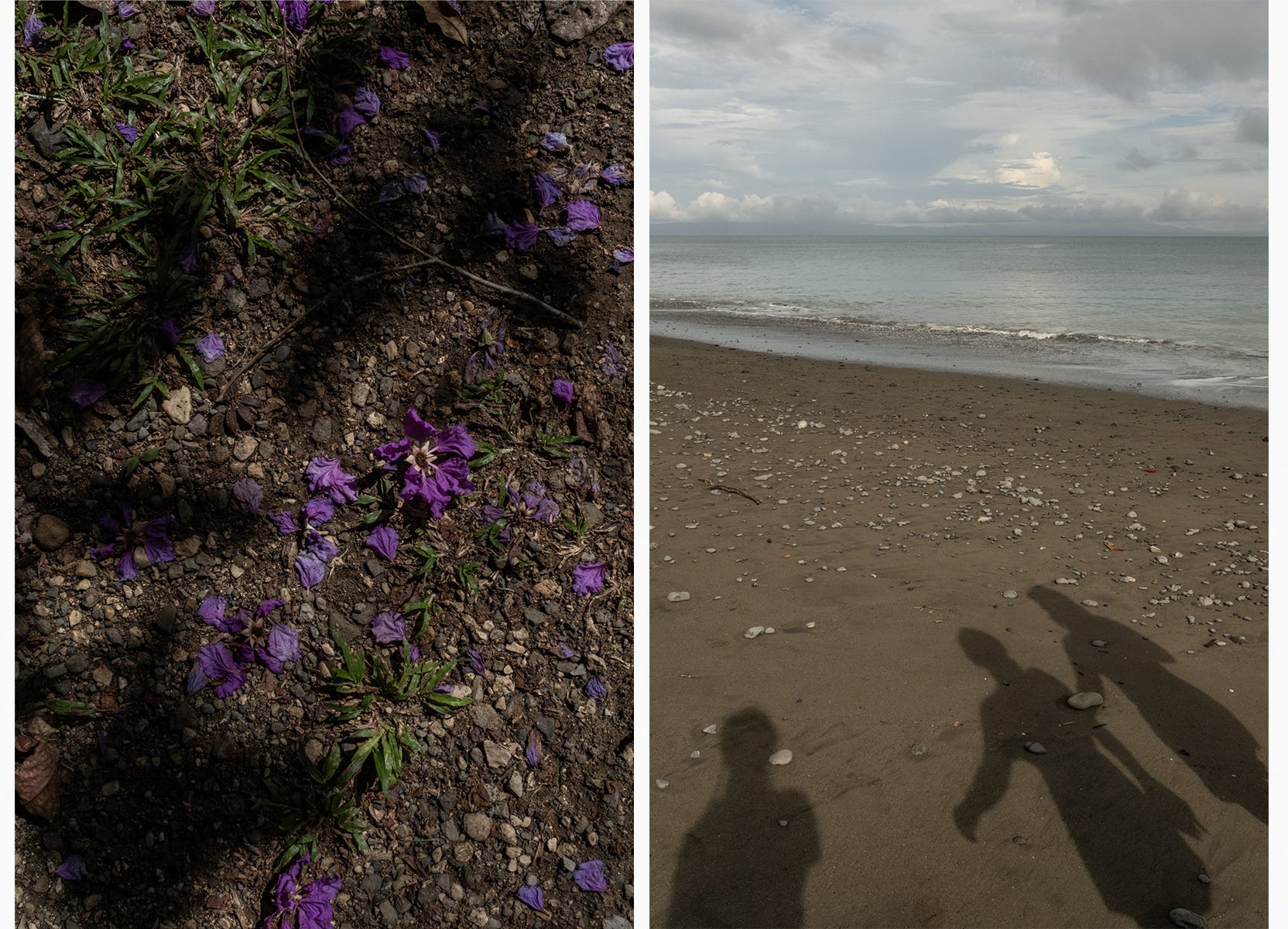
When Tom (my dad, her husband) was diagnosed with heart failure and Alzheimer’s, I couldn’t travel anymore. I felt a lot of difficult feelings when people told me about their trips. I wonder if that’s not dissimilar to the way busy people might feel when you tell them about a trip, ‘why do you get to go when I can’t?’ It’s a feeling of being left out, of missing something. When I would see people who could travel still, I’d think ‘I hope you know how lucky you are.’ But the flip side of that, is that I was lucky. I didn’t have any regrets about having taken all my opportunities to go on adventures. I’d lived in a way in which when we arrived at a pause in my travels, I knew we’d lived fully. When I look back at photos of me and Tom, we were in many different places, our photos are often really goofy! That wouldn’t have happened if we had just stayed home.
Guilt is worth interrogating, though. Guilt can show up when we don’t live in alignment with our values. Are we behaving like assholes, being unkind or entitled? Are we supportive of other people if and when they need a break? Are we burning down our lives just only to find we are still on fire? Are we motivated by some deeper curiosity? Guilt can also show up in our jobs, it can be part of the cocktail of burn out, exploitation, and disillusionment that finally pushes us toward change.
Is this possible now?
Honestly, it’s hard to say. Speaking of guilt, I feel a pang of guilt posting this when things are so impossibly stacked against working people. Cost of living is insane, vacation days are dwindling, it’s becoming harder and harder to step off the hamster wheel of it all. My mom also said, “The world is also so hard. It’s harder to find places that aren’t being blown up or some other fuck-thing.” Things are a fucking mess. So why is this concept worth writing about? Well, this is the life we’ve got. I think it’s worth advocating for a life for ourselves and each other in which we get to actually live it. It’s also worth questioning norms around work, adventure, life, rest - and making choices based on our own values, wishes, and abilities. In the age of tech, consumerism, and capitalism it’s easy to feel like a machine. We’ve got to find ways to not be the machine.
Stepping away has always been hard and complicated. It’s a gamble. It’s a pain in the ass. It’s a privilege. It’s idealized online without an accurate portrayal of it all. For every big and small trip I go on to take photos, there are moments of supreme discomfort: frenzied days packing and preparing, a migraine on the airplane, feeling carsick in a taxi, the confusion of language barrier, the ache of homesickness. Even if you pack up and move somewhere else, you bring your life with you. You still have ailments, disagreements, bills to pay. For their larger adventures like teaching overseas, my parents had to budget, rent out their house, pack up all their stuff, move a dog and a kid, etc.
My mom: This first time we did this as a family, we rented our house out so we could move to the Netherlands to teach. We rented it out for $300 and when we returned, we kept bumping into people who said they lived in our house for chunks of time. Things were broken, the house wasn’t cared for. But it’s not what we remember from that time. We remember our time in Europe as a young family.
I feel similarly. For most of my adventures, I rarely think about the plane delays, the passport issues, the financial strain, the painful pinch of telling someone I’ll miss an event. I think mostly about what it felt like to be in a place, the people I met, the photos I made, the little treasures I brought home from flea markets and antique malls. I think about my moments when I finally figured out a wave, when I napped in the sun, when I was relaxed enough to laugh really, really hard at a joke. I think, and I know, that I’m on track for a life that feels really full.
Resources:
Sites:
While working on this article, I found the site WanderJobs, which has job listings for travelers. In college, I worked spent summers working seasonal jobs (mostly waitressing) in beautiful places and I think I found those listings on CoolJobs.
ResArtis and TransArtists are rosters of art residencies. I found all my art residency opportunities on these sites.
Kindred is a new-ish home swap site. Home Exchange Collection is another option, and I think there are several others.
The International Educator was how my parents found teaching jobs abroad.
This recent trip to Costa Rica got me excited about skill-based or educational trips. My trip with my friend Molly was with Surf with Amigas and I also did a surf trip in India with Soul and Surf. Art and writing workshops seem like excellent adventures, places like Haystack Mountain School of Crafts and Maine Media Workshops here in Maine. This summer, my mom will visit Sweden for a Lotte Jansdotter Art and Nature retreat.
Publications:
Miles from Nowhere - Barbara Savage
A classic! Originally published in 1985, couple bicycles around the world.
Adrift - a podcast (and cautionary tale!) of a family who sets off to sea with minimal sailing experience and becomes…. adrift.
We Came, We Saw, We Left - Charles Wheelan
A family saves up and travels around the lower 48 in a camper trailer.
Between Two Kingdoms - Suleika Jaouad
After a cancer diagnosis in her 20’s, she sets out on a road trip with her scruffy dog, Oscar, to meet other people traveling in the realm of illness.
Cory Gerlach’s Radical Path’s substack chronicles his life traveling the world by sailboat.
You’ve labeled what I do! Grateful for the article and grateful for the wisdom I gather from Rybus family.
Wow, this is great writing and a topic that really resonates with me. It's really cool that you have someone that modeled the life they preach. That is so special and priceless. Thank you for this wonderful read, especially the perspective of someone who has so much wisdom and knowledge (Pam!). I love finding others who share this sentiment as well even if we are the outliers.